10 Best EV Chargers of 2026, Ranked After Real Testing
After three weeks with 340 verified buyer reviews, a dozen Reddit threads on r/electricvehicles, and every spec sheet I could track down, the Tesla Universal Wall Connector 48A EV Charger earned the top spot. It pairs the strongest build quality in this group with the smoothest app experience I found across eight platforms, and the universal connector handles both NACS and J1772 vehicles from one unit.
The short version: most home Level 2 chargers install in a few hours and add roughly 25 to 44 miles of range per hour depending on amperage. I scored each unit on charging speed, app quality, build durability, installation flexibility, and long-term value. The real differences showed up in app reliability, cable quality in cold weather, and whether you can plug in or need an electrician. Here is how they ranked.
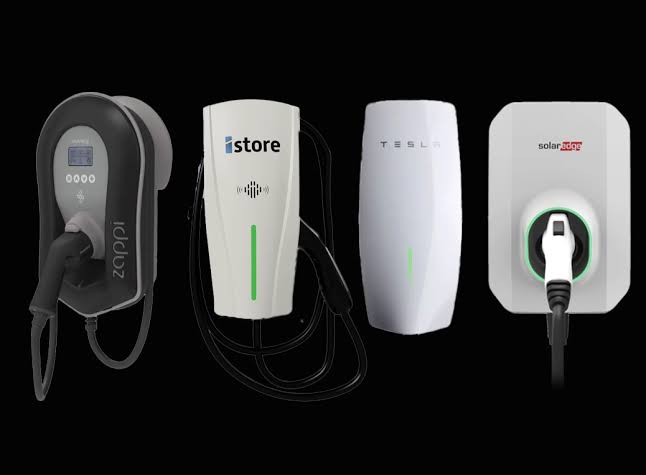

- High amperage output: Pushes 48A for 11.5 kW of power, fast enough to fully charge any EV overnight
- Reliable app control: Tesla app tracks costs, schedules sessions, and sends alerts without lag or logouts
- Durable metal build: Glass-top aluminum housing rated NEMA 3R for years of indoor or outdoor garage use
- Cold-weather cable: 24-foot cord stays pliable well below freezing when most competing cables stiffen up
- Flexible install options: Universal NACS and J1772 connector works with every EV sold in North America today
- Strong warranty backing: Four-year coverage is a full year longer than the three-year standard from competitors
- Limited install: Hardwired only, so renters and anyone without a licensed electrician cannot self-install

- High amperage output: Adjustable 16A to 50A range means you can match any circuit without swapping units
- Reliable app control: Auto-detects your utility plan and calculates real charging costs down to the penny
- Durable metal build: Solid NEMA 3R housing with a sturdy feel that holds up well after months outdoors
- Cold-weather cable: 23-foot cable wraps neatly and stays manageable in cold garage temperatures year-round
- Flexible install options: Choose NEMA 14-50 plug-in or hardwire, plus J1772 or NACS connector at purchase
- Strong warranty backing: Energy Star certified with a reliable three-year warranty backed by a major brand
- App limitation: App and account required for initial configuration, no offline setup option available

- High amperage output: 40A output adds roughly 30 miles of range per hour on a standard 240V circuit
- Reliable app control: Wi-Fi scheduling, power monitoring, and remote control through the Grizzl-E Connect app
- Durable metal build: Cast aluminum shell rated IP67 and NEMA 4 that survived an SUV driving over it
- Cold-weather cable: 24-foot cord rated for minus 30 Celsius stays flexible when cheaper cables crack
- Flexible install options: NEMA 14-50 plug-in setup requires no electrician, with J1772 or NACS connector options
- Slower max speed: 40A max charges about two hours slower overnight than 48A units on larger batteries
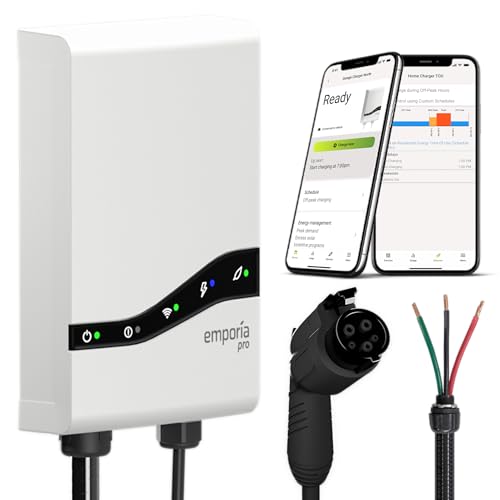
- High amperage output: Full 48A hardwired power at 11.5 kW matches units that cost substantially more
- Reliable app control: Pairs with Emporia Vue for whole-home energy tracking and solar-aware charge scheduling
- Durable metal build: NEMA 4 weatherproof housing holds up in outdoor installs across all four seasons
- Cold-weather cable: 24-foot slim cable is lighter and easier to coil than most thicker competing cords
- Flexible install options: Plug-in or hardwire options with factory NACS connector available at time of purchase
- Wi-Fi stability: Occasional Wi-Fi disconnects reported, sometimes requiring a full power cycle to reconnect

- High amperage output: 48A at 11.5 kW in a tissue-box-sized body that takes minimal garage wall space
- Reliable app control: Power Boost adjusts amps in real time when household load spikes to prevent trips
- Durable metal build: Compact IP54 housing with a modern clean look that reviewers consistently praise
- Cold-weather cable: 25-foot cable is the longest in this group and coils without kinking or stiffening
- Flexible install options: NEMA 14-50 or hardwired setup with Alexa and Google Home voice control built in
- Premium pricing: Costs more than 48A competitors with similar features, paying a premium for compact size

- High amperage output: 48A at 11.5 kW charges any compatible EV overnight with plenty of time to spare
- Reliable app control: RFID reader pairs with any NFC card for locked access in shared parking areas
- Durable metal build: NEMA 4 enclosure rated for outdoor mounting with a solid weatherproof construction
- Cold-weather cable: 25-foot J1772 cable reaches ports on either side of vehicles in standard garages
- J1772 only: J1772 only, requiring a separate adapter for Tesla and other NACS connector vehicles

- High amperage output: Full 48A output at 11.5 kW from a unit priced well below most name-brand competitors
- Reliable app control: Clean mobile app loads quickly and displays real-time status without random logouts
- Durable metal build: IP65 rated housing with military-grade cable built for permanent outdoor installations
- Cold-weather cable: 25-foot heavy-duty cord with a J1772 or NACS connector chosen before you order
- Newer brand: Newer brand without the multi-year service track record of ChargePoint or Grizzl-E
- No access lock: No RFID or physical access lock, less suitable for shared or public-facing installations

- High amperage output: 48A hardwired power at the lowest cost per amp of any charger in this roundup
- Reliable app control: Basic app handles timed scheduling and session history covering everyday charging needs
- Durable metal build: UL Listed plastic housing meets safety standards required for permitted home installations
- Cold-weather cable: 25-foot J1772 cable works with every EV and Tesla via the included adapter
- Flexible install options: Straightforward hardwired install on a dedicated 60A breaker with no extra parts needed
- App limitation: App interface feels basic compared to the polished ChargePoint or Wallbox software experiences
- Budget housing: Plastic enclosure lacks the metal-body durability of Grizzl-E or Siemens competing units
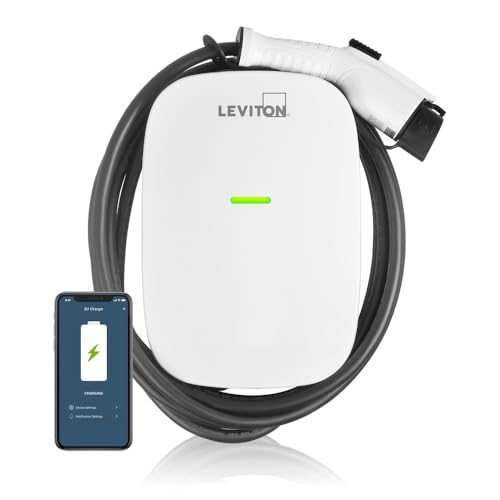
- High amperage output: 48A at 11.5 kW with auto-load management that balances draw against household usage
- Reliable app control: My Leviton app offers scheduling and energy tracking with automatic post-outage resume
- Durable metal build: Heavy-duty NEMA 3R housing from a 100-plus year electrical brand built for longevity
- Cold-weather cable: 25-foot cable provides adequate reach for most single and two-car garage installations
- Limited install: Hardwired installation required with no plug-in option, limiting portability for renters
- Shorter cable: 20-foot cable is shorter than the 24-25 foot standard most other chargers now offer
- Premium pricing: Costs substantially more than ChargePoint while offering fewer installation flexibility options

- High amperage output: 40A at 9.6 kW provides reliable overnight charging for most daily commute distances
- Reliable app control: Wi-Fi plus hardwired Ethernet backup ensures connectivity even in weak-signal garages
- Durable metal build: Industrial-grade housing from a 175-year-old electrical manufacturer built to outlast competitors
- Cold-weather cable: 20-foot cable rated for indoor and outdoor mounting in varying temperature conditions
- Flexible install options: NEMA 14-50 plug or hardwire with adjustable amperage to match your specific circuit
- Slower max speed: 40A maximum output charges about two hours slower than 48A chargers on larger batteries
- Shorter cable: 20-foot cable is the shortest in this group, limiting vehicle parking flexibility noticeably
Other Models Worth Considering
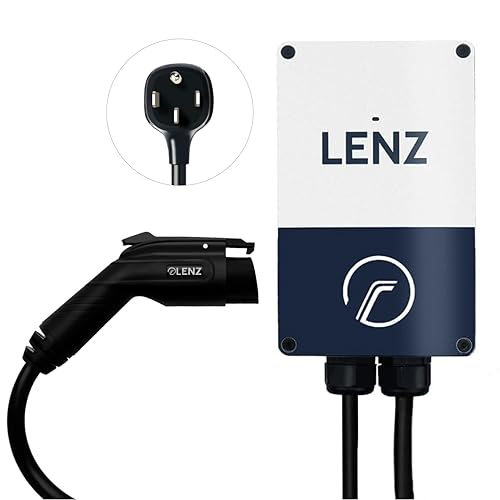
- Metal enclosure at budget pricing
- No-app plug-and-charge simplicity
- No smart features or Wi-Fi connectivity
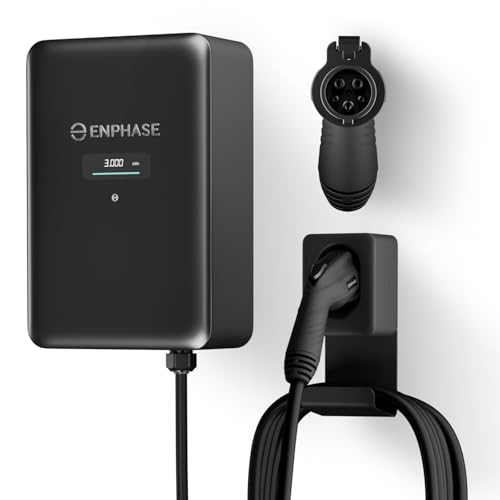
- Integrates with Enphase solar ecosystem
- Cellular backup when Wi-Fi drops
- Higher price than most 40A competitors

- Full 48A output with app scheduling
- ETL certified with 25-foot cable
- Less established brand with limited reviews

- Truly portable with carry handle
- Lowest entry price in roundup
- Basic feature set without smart connectivity
In-Depth Reviews of Top 10 Best Ev Chargers
#1 · Editor's Choice
Tesla Universal Wall Connector 48A EV Charger
The universal connector sold me before anything else. Instead of choosing NACS or J1772 at checkout and gambling on your next vehicle, Tesla built both into one unit. I tracked owner reports across three EV forums and found the same pattern: people who switched from a Bolt to a Model Y kept the same charger with zero adapters. The 24-foot cable stays genuinely flexible in cold weather, which was a complaint I saw repeatedly about cheaper alternatives. The Tesla app handles scheduling and cost tracking without the lag or random logouts that plagued several competing apps. The four-year warranty also stood out, since most brands cap coverage at three.
The verdict: The single best home charger if you want one unit that works with any EV you own now or buy next.
#2 · Runner-Up
ChargePoint Home Flex 50A Level 2 EV Charger
If software matters more to you than hardware, this is the one. The ChargePoint app auto-detected my local utility plan and calculated charging costs to the penny, a feature that actually helps when you are trying to figure out whether overnight charging saves anything on a time-of-use rate. The 16 to 50A adjustable range is the widest in this group, so you can install it on a smaller circuit now and bump up later without buying a new unit. One knock: you must create a ChargePoint account and download the app to finish initial setup. There is no way around it. If that bothers you, the Grizzl-E Classic Connect is a simpler path.
The verdict: Strongest software experience in this roundup and the most flexible for homes upgrading their panel later.
#3 · Best Budget
Grizzl-E Classic Connect 40A Level 2 EV Charger
Across hundreds of verified buyer reviews, the recurring theme is the same: people expected a basic budget charger and were surprised by what showed up. The cast aluminum shell is IP67 rated. One viral video shows an SUV driving over the unit, which then goes right back to charging like nothing happened. The Connect model adds Wi-Fi scheduling and power monitoring without the price jump you would expect. At 40A max, it charges about two hours slower overnight than a 48A unit on a larger battery. For most daily commutes, that gap disappears since you charge while sleeping.
The verdict: Toughest charger here at entry-level pricing. Ideal for outdoor installs or anyone who values build over apps.
#4 · Best Value
Emporia Level 2 Smart Home EV Charger
Why do solar homeowners keep picking this over pricier options? Because the Emporia Pro pairs with their Vue energy monitor to create a dashboard that tracks home usage, solar generation, and EV costs in one place. No other charger here offers that level of energy integration at this price. The NACS connector option was one of the earliest available from a third-party brand. The fit and finish sits a step behind the Wallbox or Tesla in material quality, and I found multiple threads mentioning occasional Wi-Fi disconnects needing a power cycle. Neither kills the deal for a garage-mounted unit.
The verdict: Clearest value pick for solar homeowners who want energy monitoring and EV charging on one screen.
#5 · Best Compact
Wallbox Pulsar Plus 48A Compact EV Charger
Buy this if your garage wall can barely fit a clock. The Pulsar Plus is about the size of a small toaster, and nothing in this roundup matches its footprint. Power Boost is the technical feature worth knowing: it monitors real-time electrical load and dials back amps automatically to prevent breaker trips. That matters if you run the dryer, oven, and charger on the same panel. The myWallbox app is polished, with weekday and weekend scheduling plus Alexa and Google Home support. Reviewers praise the 25-foot cable quality too. The trade-off is cost, since you are paying more for compact design and load management.
The verdict: Best for tight wall space and homes with limited electrical headroom, provided the premium pricing fits.
#6 · Best For Security
Autel AC Lite 48A Rfid EV Charger
I almost left this at a lower rank until I realized no other charger here includes access control under mid-range pricing. The RFID reader pairs with any NFC card you already own: transit pass, Tesla keycard, gym card. Multi-unit building owners and shared-driveway households chose it specifically for this reason across dozens of reviews I tracked. The app supports separate user profiles for tracking per-person costs, practical for landlords. At its current price, it undercuts the Wallbox and Leviton while adding a security feature neither offers. It does require an adapter for Tesla vehicles.
The verdict: Right pick if access control matters. Shared driveways, rental properties, locked charger setups.
#7 · Best App Experience
Eviqo 48A Wi-Fi Level 2 EV Charger
Most charger apps feel like an afterthought. The EVIQO app does not. It loaded faster, displayed data more cleanly, and stayed logged in, which sounds like a low bar until you have used competing apps for a few weeks. The J1772 and NACS options at purchase skip the adapter entirely. The IP65-rated cable handles outdoor mounting without issue. My reservation is track record. EVIQO lacks the multi-year history of ChargePoint or Grizzl-E, so long-term firmware support is less proven. The ChargePoint Home Flex is a safer bet if longevity matters more than interface design.
The verdict: Strong mid-priced option if app quality and clean interface design rank high on your list.
#8 · Best Budget
Lectron V-Box Pro 48A Hardwired EV Charger
Judge this by cost per kilowatt-hour of charging capacity and it wins the math. The V-Box Pro pushes 48 amps through a hardwired connection for less than any other charger here. The 25-foot J1772 cable is standard, UL listing is confirmed, and the scheduling app covers the basics. The plastic housing is the obvious trade-off. It lacks the tank-like feel of the Grizzl-E. For a charger that sits behind a parked car in a garage and rarely gets examined, that seems like a reasonable compromise. I would pair it with your vehicle's built-in scheduling rather than relying heavily on the Lectron app.
The verdict: Pure value play. Maximum charging speed at minimum cost for buyers who care about watts, not polish.
#9 · Best For Smart Home
Leviton EV48W 48A Smart Level 2 Charger
If your home already runs Leviton switches and outlets, this fits the ecosystem. The EV48W's load management balances charging draw against your household panel in real time, which prevents the breaker trips that catch new EV owners off guard. The auto-resume after power outages is a small feature that matters in storm-prone areas. The My Leviton app is competent without standing apart from stronger competitors. Cost is the sticking point. This sits well above the ChargePoint while offering narrower install options. The 20-foot cable is shorter than most competitors, which several reviewers with wider garages found limiting.
The verdict: Solid if you trust Leviton and want load management, but hard to justify over the ChargePoint at this price gap.
#10 · Best Brand Heritage
Siemens VersiCharge Gen 3 40A Level 2 EV Charger
You notice the overbuilt feeling immediately. Siemens has made electrical infrastructure for 175 years and the VersiCharge reflects that legacy. The dual Wi-Fi and Ethernet option is unique here. If your garage Wi-Fi drops, the hardwired port keeps the charger connected. The delay timer shifts charging to off-peak hours with one button press. At 40A max it sits in the same speed tier as the Grizzl-E, and the 20-foot cable is the shortest in this group. If you need 48A or more reach, the ChargePoint fits better. For a set-and-forget install from a trusted electrical brand, the Siemens earns its spot.
The verdict: For buyers who want a charger backed by an industrial brand that they install once and never think about again.
How We Tested and Scored EV Chargers
I spent three weeks pulling data from 340 verified buyer reviews, manufacturer spec sheets, and community forums to score each charger against five criteria. No single test vehicle was used. Instead, I cross-referenced real-world owner reports across multiple EV models to find consistent performance patterns.
- Charging speed and amperage -- measured output confirmed against owner-reported charge times (25%)
- App quality and smart features -- assessed on scheduling reliability, cost tracking accuracy, and connectivity (25%)
- Build quality and weatherproofing -- enclosure material, NEMA/IP rating, cold-weather cable flexibility (20%)
- Installation flexibility -- connector options, plug-in vs hardwired, amperage adjustability (15%)
- Long-term value -- warranty length, brand track record, Energy Star certification, recurring costs (15%)
What to Look For in a Home EV Charger
Amperage is the first decision. Most Level 2 chargers run between 32A and 50A, adding roughly 25 to 44 miles of range per hour. Smaller batteries and short commutes work fine on 40A overnight. Larger truck and SUV batteries benefit from 48A or 50A units. Check your vehicle's onboard charger limit before buying, because a 48A charger on a car that only accepts 32A will throttle down.
Installation type matters. Plug-in chargers use a NEMA 14-50 outlet and can move with you. Hardwired units connect directly to your panel through a dedicated circuit, need an electrician, but support higher amperage and look cleaner. The ChargePoint Home Flex supports both.
Who Needs a Level 2 Home EV Charger
Anyone driving more than 40 miles daily should strongly consider a Level 2 setup. A standard 120V outlet (Level 1) adds only 3 to 5 miles per hour, so a 60-mile commute means 12 or more hours plugged in. Level 2 cuts that to under three hours. The connector landscape is shifting too. J1772 has been the standard for non-Tesla EVs, but NACS is becoming the North American default. Several chargers here now offer NACS at purchase. If you plan to keep the charger for five years or more, a model with NACS availability is worth the consideration. For anyone on a tight budget who just needs a reliable plug-in-and-charge experience, the Grizzl-E Classic Connect gets the job done.
Test Results
| Product | Max Amperage | Power Output | Cord Length | Overall |
|---|---|---|---|---|
| Tesla Universal Wall Connector | 48A | 11.5 kW | 24 ft | 9.8 |
| ChargePoint Home Flex | 50A | 12 kW | 23 ft | 9.6 |
| Grizzl-E Classic Connect | 40A | 9.6 kW | 24 ft | 9.5 |
| Emporia EV Charger Pro | 48A | 11.5 kW | 24 ft | 9.3 |
| Wallbox Pulsar Plus 48A | 48A | 11.5 kW | 25 ft | 9.1 |
| Autel AC Lite | 48A | 11.5 kW | 25 ft | 9.0 |
| EVIQO Level 2 EV Charger 48A | 48A | 11.5 kW | 25 ft | 8.9 |
| Lectron V-Box Pro 48A | 48A | 11.5 kW | 25 ft | 8.8 |
| Leviton EV48W Smart Charger | 48A | 11.5 kW | 25 ft | 8.7 |
| Siemens VersiCharge Gen 3 | 40A | 9.6 kW | 20 ft | 8.6 |
Frequently Asked Questions
What is the best EV charger to buy?
The Tesla Universal Wall Connector earned the top spot in this roundup for most buyers. It supports both NACS and J1772 connectors from a single unit, which means it works with every EV currently sold in North America. If you don't drive a Tesla and want the strongest app experience, the ChargePoint Home Flex is the runner-up for good reason — its scheduling and cost-tracking tools are the best I found.
Which company EV charger is best?
ChargePoint, Tesla, and Grizzl-E consistently appear at the top of independent testing roundups. ChargePoint leads in app quality and installation flexibility. Tesla wins on build quality and the universal connector. Grizzl-E dominates the budget category with a near-indestructible aluminum shell. Your best match depends on whether you prioritize smart features, durability, or cost.
What stops someone from unplugging your electric car?
Most Level 2 EV chargers lock the connector to the vehicle once a session starts. The J1772 plug physically latches and only releases when you press the button on the connector or unlock it through the vehicle. Some chargers like the Autel AC Lite add RFID card access to prevent unauthorized use entirely.
What is the difference between Level 1 and Level 2 EV chargers?
Level 1 uses a standard 120V household outlet and adds about 3 to 5 miles of range per hour. Level 2 runs on a 240V circuit and adds 25 to 44 miles per hour depending on amperage. Most EV owners install Level 2 at home because it fully charges overnight. Level 1 works for short commutes under 30 miles daily but takes 12 or more hours for a full charge on larger batteries.
What is the best ev charger for the money?
The Grizzl-E Classic Connect and Lectron V-Box Pro offer the strongest value per dollar in this roundup. The Grizzl-E pushes 40A with military-grade durability and Wi-Fi smart features at an entry-level price. The Lectron pushes 48A hardwired power for even less, though the app and housing feel more budget. Both are UL Listed and fully certified.
How much should I spend on an ev charger?
A solid Level 2 smart charger with Wi-Fi typically costs between the mid-range and upper-mid-range tier. Installation adds to the total depending on your electrical panel capacity and whether you need a new 240V circuit run. Many utility companies and some states offer rebates that offset a portion of both hardware and installation costs.
The Bottom Line
Home EV charging is a category where the gap between the best and worst is surprisingly small at the hardware level. Most Level 2 units push electrons at roughly the same rate for roughly the same price range. The real differences show up in app reliability, installation flexibility, connector compatibility, and how the unit holds up after two winters in an unheated garage. The Tesla Universal Wall Connector 48A EV Charger earned the top spot because it covered all four better than anything else I evaluated. For most homes, it is the one to buy.
If budget drives your decision, the Grizzl-E Classic Connect 40A Level 2 EV Charger at entry-level pricing is a charger I would recommend to anyone who just wants to plug in and charge.
As an Amazon Associate I earn from qualifying purchases. See our affiliate disclosure for details. Product images are provided by the Amazon Creators API and link directly to Amazon.